Beyond Traditional Cable: The Emergence of Internet Protocol Television Platforms


As the realm of home entertainment continues to evolve, a notable shift is happening from traditional cable television to Internet Protocol Television, often known as IPTV. This technological advancement is more than a mere trend but a revolution that offers viewers unmatched flexibility, superior content options, and cost-saving benefits. With more households searching for alternatives to conventional cable services, IPTV is increasingly the go-to choice for millions worldwide.
The advantages of IPTV prove to be numerous and attractive, from enhanced viewing experiences with high-quality streaming to the ability to access international content seamlessly. In this article, we shall investigate the top benefits of IPTV, understand why it’s quickly gaining popularity, and discuss how it has changed the way we consume media. Whether you're a sports fan, a cord-cutter, or someone looking for personalized viewing options, you'll discover how IPTV can meet your entertainment needs and offer control like never before.
Key Benefits of IPTV
A major benefits of IPTV is the flexibility for viewers. Unlike traditional cable TV, IPTV allows users to watch content on various devices including smart TVs, tablets, smartphones, and computers. https://notes.medien.rwth-aachen.de/j4Z8MozaQN6_kObLZ6XVYA/ to use multiple devices means that viewers can enjoy their favorite at any time and place, making it easier to fit entertainment into busy lifestyles. Furthermore, Euro IPTV offer features such as pause, rewind, and record, providing unmatched convenience.
A further key advantage is the broad range of content available through IPTV services. Subscribers can access an extensive selection of channels and on-demand libraries, covering everything from local shows to international programming. This wide selection not only caters to diverse tastes but also allows for more customization of viewing experiences. For instance, users can choose specific packages or bundles that suit their interests, which is frequently more difficult with traditional TV services.
Savings are a significant aspect of IPTV. Many services offer competitive pricing compared to traditional cable providers, often with transparent pricing or long-term contracts. This can result in substantial reductions in monthly bills, especially for households that consume media regularly. With IPTV, viewers typically pay just for the content they want, leading to a more budget-friendly solution while still enjoying premium streaming and an enhanced viewing experience.
Internet Protocol Television vs Traditional TV
The environment of TV has seen dramatic changes with the introduction of IPTV, fundamentally altering how audiences consume content. Conventional television is often bound by rigid schedules and limited programming options, requiring audiences to watch shows at designated times. In opposition, IPTV allows viewers to watch what they want, when they want, breaking viewers from these constraints. With on-demand options functions, viewers can access a large library of programming that suits their preferences, providing a level of freedom that conventional TV simply cannot match.
Another striking difference lies in the standard and availability of content. Traditional TV often suffers from signal interference and geographical limitations, which can diminish the viewing experience. Internet Protocol Television, on the other hand, utilizes broadband internet to deliver excellent streaming with few disruptions. https://squareblogs.net/thecodemachine/internet-protocol-television-misconceptions-busted-separating-fact-from-fallacy enhances the overall viewing experience but also makes certain that viewers can enjoy their favorite shows and live broadcasts without the hassle of bad reception. Additionally, Internet Protocol Television services are accessible on multiple devices, in addition amplifying the ease for users who prefer to view on their own conditions.
Cost is also a considerable factor in the contrast between Internet Protocol Television and traditional TV. Conventional cable offerings typically involve increased monthly fees, often packaged with channels that users may not even consume. Internet Protocol Television services, however, can offer a more customizable packages and better pricing, allowing users to select plans that align with their individual viewing habits. This shift towards greater economical options is especially appealing to those who have cut the cord, who are seeking alternatives to expensive cable subscriptions. As the popularity of Internet Protocol Television grows, it is clear that it not only meets the needs of modern audiences but also provides clear advantages over traditional television formats.
The Evolution of TV
The landscape of television is quickly evolving, with Internet Protocol Television becoming as a major player in this change. As old-school cable services decline, IPTV offerings are gaining momentum by providing viewers a personalized and versatile alternative. With fast internet increasingly reachable, more households are turning to IPTV, welcoming its ability to provide a broad array of channels, on-demand content, and interactive features that suit personal tastes.
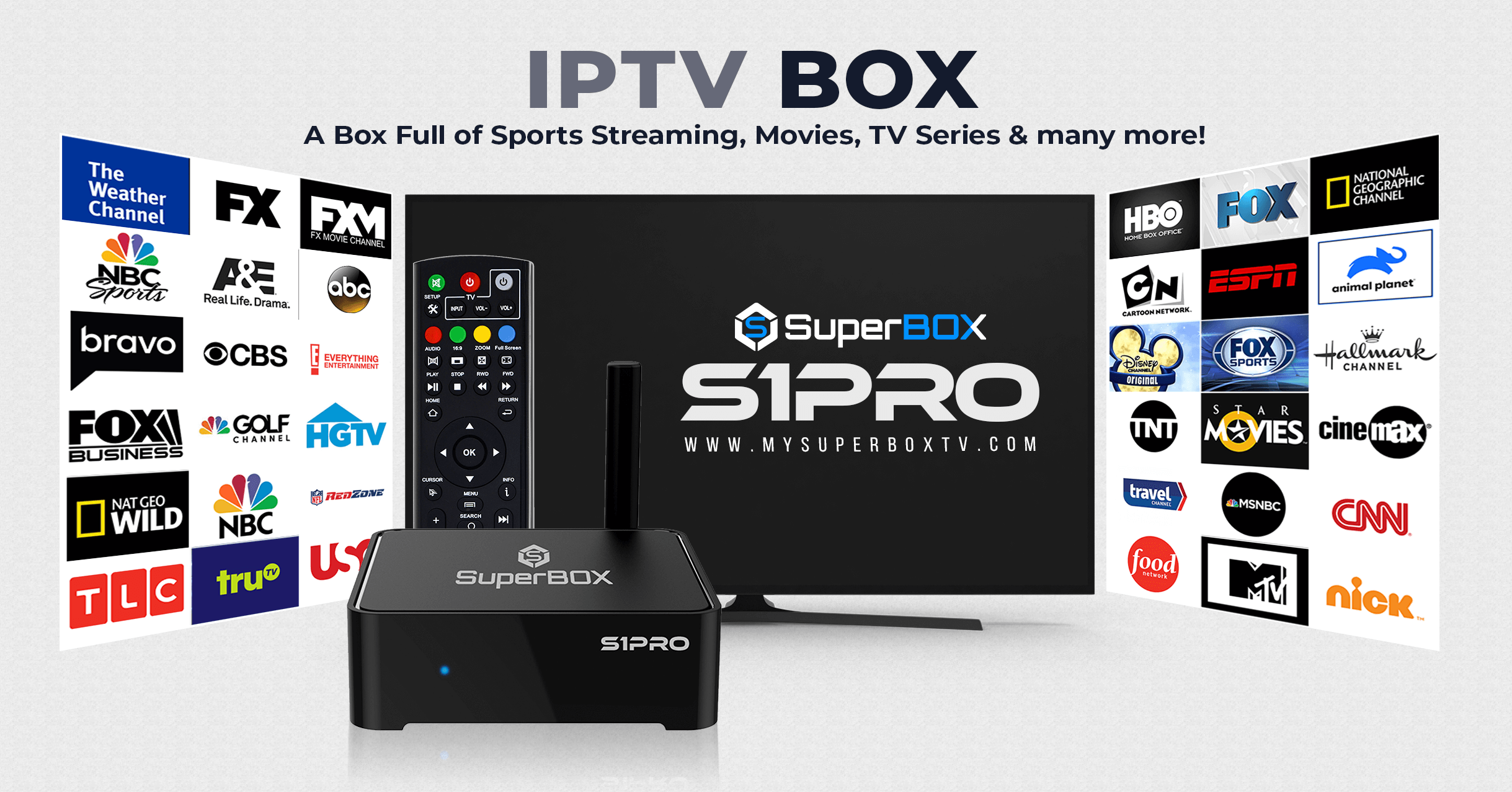
One of the biggest advantages of IPTV is its cost-effectiveness, allowing users to save money while broadening their viewing choices. Gone are the days of being tied to expensive cable contracts with limited choices. IPTV gives power to users with the liberty to choose packages that match their preferences, making it an ideal option for cost-savvy consumers seeking to enhance their entertainment value. Additionally, https://md.swk-web.com/s/QRYzcLnds to watch on various devices ensures that viewers can experience their beloved shows and movies anytime, anywhere.
As tech continues to advance, the features and capabilities of this service will continue to grow, cementing its status as the future of TV. With improved user engagements, superior streaming quality, and an constantly increasing library of programming, this platform is well poised to satisfy the expectations of contemporary viewers. With a focus on tailored experiences, availability, and comfort, this service is not just a passing moment; it stands for a major shift in how we consume media, making it an essential part of the next phase of home entertainment.